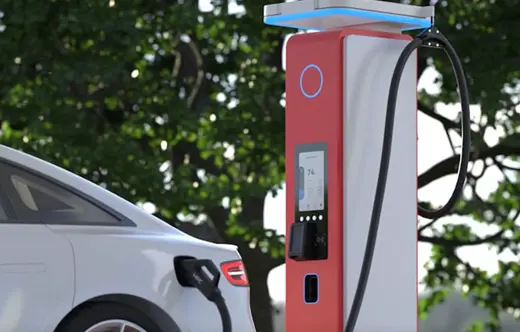
Building an EV charging station requires more than installing one or more chargers. A successful project needs suitable site planning, sufficient electrical capacity, charging equipment, distribution systems, civil works, communication connectivity, safety protection, payment or access controls, and a long-term maintenance plan.
The exact ev charging infrastructure requirements depend on the project type. A home charging point, workplace installation, commercial parking facility, fleet depot, highway charging hub, and public fast-charging station all have different power demands, user behavior, installation conditions, and expansion needs.
A well-planned charging project should support safe daily operation while allowing for future growth in electric vehicle adoption.
1. Site Selection and Layout Planning
The first requirement is a practical location. The site should be easy for vehicles to enter, park, charge, and leave without creating traffic conflicts.
Key site-planning factors include:
- Available parking spaces
- Vehicle entry and exit routes
- Turning radius for passenger vehicles, vans, buses, or trucks
- Distance from the electrical supply point
- Charger visibility and user access
- Protection from vehicle impact
- Drainage and flood-risk conditions
- Lighting, signage, and accessibility
- Space for future chargers, transformers, or electrical cabinets
For commercial and public projects, charging bays should be designed around the expected vehicle type and charging duration. A site serving passenger cars may need compact parking spaces, while fleet or logistics projects may need wider lanes, larger turning areas, and higher-power charging capacity.
2. Electrical Power Supply
Electrical capacity is the foundation of every charging station. The available power supply must be assessed before selecting chargers.
A project may require:
- Connection to the local utility grid
- Main switchgear
- Distribution panels
- Transformers
- Metering equipment
- Circuit breakers
- Cables and cable trays
- Earthing and grounding systems
- Surge protection devices
- Load-management equipment
The electrical design should calculate the expected charging load, the number of chargers, their rated output, simultaneous-use patterns, existing site consumption, and future expansion requirements.
For example, a location with several high-power DC chargers may require significant electrical upgrades, while a workplace with lower-power AC chargers may be able to use existing capacity with suitable load management.
Electrical design and installation should always be completed by qualified professionals in accordance with applicable local requirements.
3. EV Charging Equipment
The charger is the most visible part of an EV charging station, but it must be selected according to the project’s actual use case.
Common charger categories include:
| Charger Type | Typical Application | Main Consideration |
| AC charging | Homes, offices, hotels, long-stay parking | Suitable where vehicles can remain parked for longer periods |
| DC fast charging | Public stations, highways, retail sites, fleets | Provides faster charging but usually requires higher electrical capacity |
| Fleet charging | Logistics yards, bus depots, service facilities | Must match vehicle schedules, route plans, and depot power availability |
| Destination charging | Restaurants, resorts, shopping locations | Focuses on convenience during a planned visit |
When selecting equipment, project owners should review charging power, connector configuration, enclosure rating, cable length, user interface, payment options, remote monitoring, operating temperature, and maintenance accessibility.
4. Distribution and Protection Systems
Reliable ev charging infrastructure needs more than a grid connection. The charging equipment must be protected from overloads, short circuits, electrical leakage, voltage fluctuations, and lightning-related events where relevant.
Important electrical protection components may include:
- Main disconnect switches
- Circuit breakers
- Residual-current protection
- Overcurrent protection
- Ground-fault monitoring
- Surge-protection devices
- Emergency stop functions
- Proper earthing and bonding
- Insulation monitoring where required
- Clear electrical labeling
Protection devices should be chosen according to the charger type, electrical design, site conditions, and applicable standards. Correct coordination between upstream and downstream protection is important for safety and service continuity.
5. Civil Works and Physical Installation
Charging stations often require civil construction before equipment installation. The amount of work depends on the site and equipment configuration.
Typical civil works include:
- Ground excavation
- Concrete foundations
- Equipment pads
- Cable trenches or underground conduits
- Protective bollards
- Parking-space marking
- Wheel stops
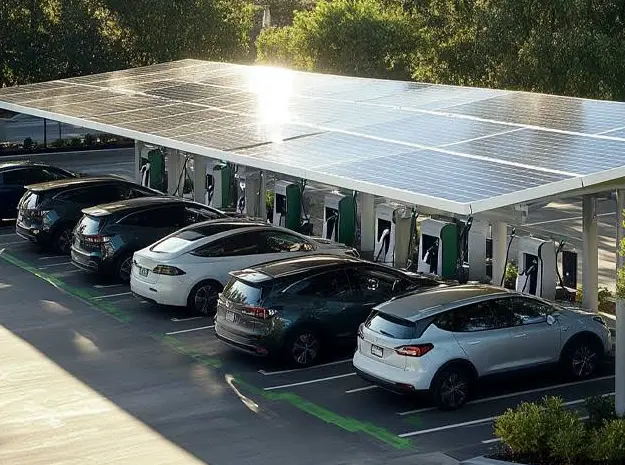
- Weather shelters where needed
- Signage
- Drainage improvements
- Fencing or access-control structures
Fast chargers, transformers, switchgear, and distribution cabinets may require dedicated foundations and safe maintenance clearances. Equipment placement should allow technicians to inspect, repair, and replace components without disrupting vehicle traffic.
6. Network and Communication Connectivity
Many modern chargers use network connectivity for remote monitoring, user authentication, payment management, firmware updates, fault reporting, and energy-data collection.
A connected charging station may use:
- Ethernet
- Wi-Fi
- Cellular communication
- Local area networks
- Cloud-based management platforms
- RFID access cards
- Mobile-app access
- QR-code payment tools
- Fleet-management integration
Reliable communication is especially important for public and commercial sites. It enables operators to monitor charger availability, identify faults, manage pricing, track energy use, and provide customer support.
However, the charging station should also be planned with appropriate cybersecurity, account management, data-access controls, and system-update procedures.
7. Load Management and Energy Management
As more chargers are installed, unmanaged charging can create high peak demand and place pressure on the site’s electrical system.
Load-management systems help balance charging demand across multiple chargers. They can reduce the risk of exceeding the site’s available capacity while allowing more vehicles to charge.
A well-designed energy-management strategy may consider:
- Maximum site power capacity
- Existing building loads
- Number of vehicles charging at the same time
- Charging priority for specific vehicles
- Time-of-use electricity costs
- Fleet departure schedules
- Solar power generation
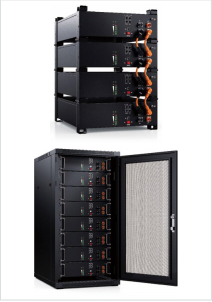
- Battery energy storage systems
- Future charger expansion
For fleet depots, load management can be particularly valuable because many vehicles may return and begin charging during the same period.
8. Safety, Lighting, and User Experience
A charging station should be easy and safe to use in different weather conditions and at different times of day.
Important user-facing elements include:
- Clear signs and bay markings
- Adequate lighting
- Safe cable-routing arrangements
- Emergency-stop access
- Protection against vehicle impact
- Accessible charger displays
- Instructions for use
- Contact information for support
- Clean and well-maintained charging spaces
Public sites may also need to consider surveillance, parking enforcement, payment guidance, and methods to prevent non-EV vehicles from occupying charging bays.
9. Permits, Utility Coordination, and Compliance
Before construction begins, project owners may need to coordinate with local utilities, property owners, electrical contractors, planning authorities, and fire-safety stakeholders.
Requirements vary by country, city, site type, electrical capacity, and charger power. Common project tasks may include utility connection applications, electrical design approval, construction permissions, inspection arrangements, and final commissioning.
Because local rules differ, developers should confirm the applicable requirements for the exact project location before purchasing equipment or beginning civil work.
10. Operations and Maintenance Planning
An EV charging station is a long-term operating asset. Selecting the equipment is only one part of the project; operators also need a plan for inspections, troubleshooting, software updates, spare parts, warranty support, and customer assistance.
A maintenance plan should cover:
- Charger cleaning and visual inspection
- Cable and connector checks
- Electrical safety inspection
- Communication-status monitoring
- Software and firmware updates
- Fault response procedures
- Replacement-part availability
- Energy-use reporting
- Payment and access-system checks
- Preventive maintenance scheduling
Reliable maintenance helps improve charger uptime, reduce user frustration, and protect the long-term return on investment.
How to Plan EV Charging Infrastructure for Future Growth
A charging station should be designed for the expected needs of today, but it should also prepare for future expansion.
Practical expansion planning may include:
- Reserving additional parking bays
- Installing larger cable conduits during initial construction
- Allowing space for future transformers or switchgear
- Selecting scalable charging-management software
- Designing distribution panels with spare capacity
- Considering modular charger configurations
- Reviewing expected EV adoption in the target market
Installing expansion-ready infrastructure during the first construction phase can be more cost-effective than rebuilding the site later.
Conclusion
The infrastructure needed to build an EV charging station includes site planning, electrical capacity, charging equipment, distribution systems, civil construction, safety protection, communication networks, load management, permits, and maintenance support.
The best ev charging infrastructure solution depends on the site’s available power, vehicle type, user needs, charging speed, operating model, and future expansion plan. Careful design at the beginning helps improve safety, reliability, user experience, and long-term project value.
For support with EV charging equipment and infrastructure planning, please contact our team.
FAQ
What is the most important infrastructure requirement for an EV charging station?
Adequate electrical capacity is one of the most important requirements. The site must have sufficient available power for the chargers, existing building loads, and planned future expansion.
Do EV charging stations need internet access?
Many commercial and public charging stations benefit from internet connectivity for remote monitoring, payments, user access, fault alerts, and software updates. The exact requirement depends on the charging system and operating model.
Can an existing building electrical system support EV chargers?
It may be possible, but the site’s available capacity, peak demand, wiring condition, protection devices, and future charging needs should be assessed by qualified electrical professionals.
What is load management in EV charging infrastructure?
Load management controls how power is shared among chargers and other site loads. It helps prevent the site from exceeding its available electrical capacity when multiple vehicles charge at the same time.