Electric vehicles (EVs) are cleaner, cheaper to run, and increasingly affordable — yet many drivers still hesitate to make the switch. When buyers are asked what holds them back, one issue comes up again and again: charging.
If you look at the biggest problems owners and prospective buyers raise, most trace back to a single theme —
ev charging. From how long it takes to how easy it is to find a working charger, charging is the factor that decides whether an electric car fits a person’s life. Here is a clear, practical look at the real challenges and what is being done to solve them.
Charging Time Is the Most Common Concern
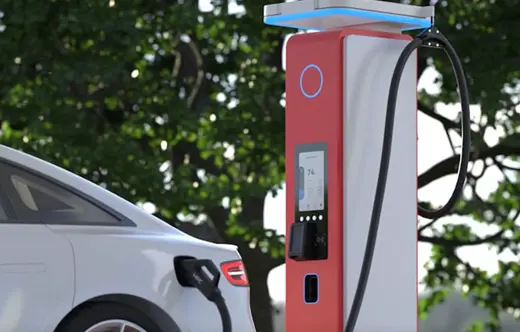
The single most discussed limitation of EVs is ev charging time. Filling a petrol tank takes about five minutes; charging an EV can take anywhere from around 30 minutes at a fast public charger to several hours at a standard home outlet.
This difference matters because it changes how people plan trips. For daily commuting, overnight home charging is usually more than enough. But for long journeys, drivers must factor charging stops into their route — and those stops are slower and less predictable than a quick fuel refill.
The key insight is that charging time depends on three things: the charger’s power output, the vehicle’s charging speed, and the battery’s state of charge. Fast-charging infrastructure continues to improve, but the reality today is that ev charging is not yet as quick as refueling.
Charging Infrastructure Gaps
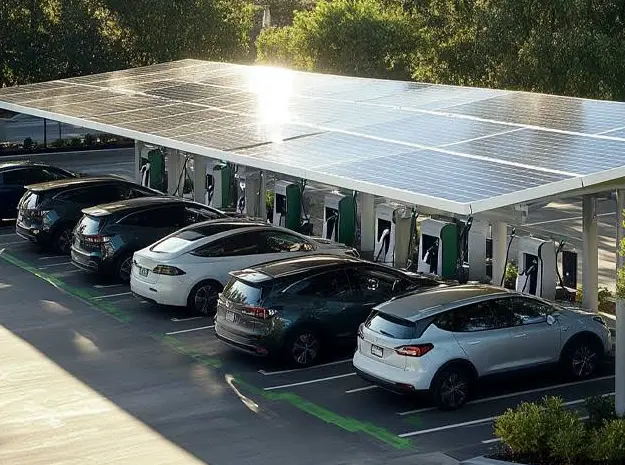
Beyond speed, availability is the second big issue. In many regions, public charging networks are still unevenly spread.
Common infrastructure problems include:
- Patchy coverage in rural areas and along certain highways.
- Limited numbers of fast chargers relative to growing EV numbers.
- Chargers that are occupied, out of service, or incompatible with certain vehicles.
- Differences in connectors and payment systems between networks.
For drivers without home charging — such as apartment residents — reliance on public ev charging is even higher, and gaps in the network become a real barrier to ownership.
Home Charging vs. Public Charging
Most EV owners report that home charging is the most convenient option. Plugging in overnight means starting each day with a full battery, with no extra stops.
| Charging scenario | Typical experience | Best suited to |
| Home charging (AC) | Overnight, low-cost charging | Homeowners with private parking |
| Workplace charging | Charging during the working day | Commuters and office staff |
| Public fast charging (DC) | Fast top-ups on long trips | Road trips and drivers without home access |
| Destination charging | Slow charging at hotels, malls, and stations | Trip convenience |
The practical question for any EV buyer is: where will I charge most of the time? If you have reliable access to home or workplace charging, ev charging becomes a non-issue for daily life. If you do not, public infrastructure quality will shape your experience.
Range Anxiety and Battery Concerns
Closely tied to charging is range anxiety — the worry that the battery will run out before you reach a charger. Modern EVs have far greater range than early models, but the anxiety remains for some drivers, especially on long trips.
Range is affected by real-world factors:
- Cold weather can reduce driving range.
- High-speed highway driving uses more energy.
- Heating and air conditioning draw from the battery.
- Carrying heavy loads lowers efficiency.
Better range, faster charging, and clearer range estimates all help. The combination of adequate range and dependable ev charging access is what ultimately removes range anxiety.
How the Industry Is Solving These Problems
The good news is that the charging challenge is improving quickly:
- Faster chargers are being deployed at highway rest stops and city hubs.
- Networks are expanding and standardizing connectors and payment.
- Battery technology is delivering longer range and faster charging acceptance.
- Smart charging allows off-peak charging at lower cost.
- More home and workplace solutions make daily charging easier.
These improvements directly address the biggest problem with EVs, and each generation of chargers and vehicles makes ownership more practical for more people.
Tips for EV Charging at Home
If you are considering an EV, a good ev charging setup at home is the foundation of a positive ownership experience:
- Install a dedicated home charger that matches your vehicle’s capability and your home’s electrical capacity.
- Choose a charging speed that meets your daily mileage needs without over-spending.
- Have your electrical panel and outlet inspected by a qualified installer.
- Use off-peak electricity rates where available to lower charging costs.
- Keep your charging cable and connectors clean and in good condition.
Frequently Asked Questions
What is the biggest problem with EV? For most owners, the biggest problem is ev charging — specifically the time it takes and the availability of reliable chargers, particularly for drivers who cannot charge at home.
Is charging an EV expensive? Costs vary by location and charging speed. Home charging at off-peak rates is usually the cheapest option, while public fast charging costs more. Many owners find home charging cheaper than petrol over time.
How long does it take to charge an EV? It depends on the charger and vehicle. A home AC charger may take several hours for a full charge, while a public DC fast charger can add significant range in around 30 minutes.
Do I need a fast charger at home? Not necessarily. For typical daily driving, overnight charging at a moderate speed is often sufficient. A faster home charger can help if you drive long distances every day.
Build a Reliable EV Charging Setup
Whatever your situation — installing a home charger, upgrading a commercial site, or improving a fleet — a well-designed ev charging installation makes ownership practical and convenient. Choosing the right charger and getting the installation done correctly is the key to a smooth experience.
At
Dingsheng Electric, we provide
ev charging solutions and expert guidance for homes, businesses, and fleets. Our team can help you select a charger suited to your vehicle, site, and usage needs. To discuss your requirements and get started, contact us via our website:
https://www.dingshengelectric.com/contact-us/.