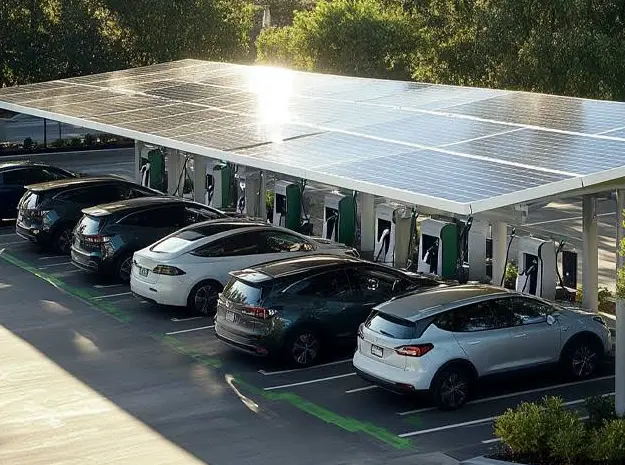
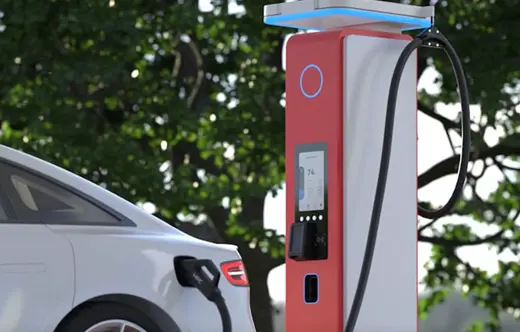
The best charging station for an electric car depends on where the vehicle is parked, how long it remains there, the vehicle’s charging capability, available electrical capacity, and the number of vehicles that need to charge.
For most home users, an AC charging station designed for overnight charging is often the most practical choice. For workplaces, apartment buildings, and fleets, networked AC chargers with load management may offer better long-term value. For public locations, highway corridors, and high-turnover commercial sites, DC fast charging may be more suitable.
The best electric car recharge stations are not always the highest-power units. They are the systems that match the vehicle, site electrical infrastructure, user demand, operating budget, and local installation requirements.
An electric car charging station, also called EV charging equipment or EVSE, supplies electricity to a plug-in vehicle through a controlled and protected connection.
Depending on the type of station, charging equipment can provide AC power or DC power.
With AC charging, the vehicle usually converts AC electricity to DC electricity through its onboard charging system. With DC fast charging, the charging station supplies DC power directly to the vehicle battery through a compatible fast-charging connection.
Charging speed depends on several factors:
- Charging-station output
- Vehicle charging capability
- Battery state of charge
- Battery temperature
- Connector compatibility
- Electrical supply capacity
- Charging-management settings
- Battery-management system limits
A charger with a high output rating does not guarantee that every vehicle will charge at that maximum rate.
AC vs. DC Electric Car Recharge Stations
The first major decision is whether the project needs AC charging or DC fast charging.
| Charging Type | Best For | Main Benefit | Key Consideration |
| AC home charging | Homes and private parking | Practical overnight charging | Must match vehicle and home electrical capacity |
| AC workplace charging | Offices, apartments, hotels, fleets | Suitable for longer parking periods | Load management may be needed |
| AC destination charging | Retail, restaurants, parking facilities | Supports longer visits | Charging speed should match dwell time |
| DC fast charging | Highways, public hubs, commercial fleets | Faster charging turnaround | Requires higher electrical capacity and investment |
| High-power DC charging | High-traffic public sites | Supports rapid charging demand | Requires detailed grid, thermal, and site planning |
For many daily-use vehicles, AC charging is sufficient because the vehicle can charge while parked for several hours. DC fast charging is more appropriate where drivers need to continue their journey quickly.
Best Charging Station for Home Use
For home charging, the best option is usually an AC wall-mounted charging station that matches the vehicle’s charging capability and the home’s available electrical supply.
A home charging solution should be selected based on:
- Vehicle connector compatibility
- Vehicle onboard-charger capacity
- Available electrical service
- Parking location
- Indoor or outdoor installation
- Cable length
- Weather protection
- Smart scheduling requirements
- Energy-metering needs
- Future vehicle plans
Smart charging functions can help users schedule charging during preferred time periods and manage charging demand according to site conditions.
A qualified electrical professional should assess the installation location, circuit capacity, protective devices, grounding requirements, cable route, and applicable local regulations before installation.
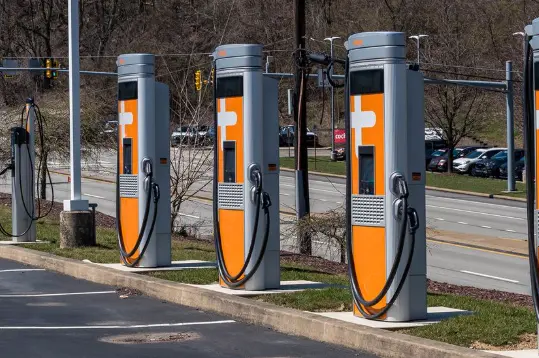
Best Charging Station for Workplaces
For workplaces, the best electric car recharge stations are often AC systems with multiple connectors, access control, energy metering, and load-management capability.
Employees normally park for several hours, so extremely high charging speed is not always necessary. A well-planned AC charging system can allow multiple vehicles to charge throughout the workday while controlling demand on the building electrical supply.
Workplace charging features may include:
- Multi-user access control
- RFID or app-based activation
- Energy metering
- Scheduled charging
- Dynamic load balancing
- Network monitoring
- Billing or cost allocation
- Multiple charging connectors
- Usage reports
- Remote fault notification
For companies with growing EV demand, scalable charging infrastructure is often more important than installing a small number of high-power chargers without future expansion capability.
Best Charging Station for Fleets
Fleet charging requires more planning because vehicle availability is directly connected to business operations.
The best fleet-charging solution depends on:
- Fleet size
- Daily driving distance
- Vehicle return time
- Required charging window
- Depot electrical capacity
- Vehicle types
- Future fleet expansion
- Dispatch schedule
- Energy-cost strategy
- Maintenance requirements
For fleets that return to the depot overnight, AC charging can often provide a practical and controlled solution. For fleets that need rapid turnaround during the day, DC charging may be required.
Fleet operators should also consider charge-management software. This can prioritize specific vehicles, avoid unnecessary peak demand, and help ensure that essential vehicles are charged before their next scheduled route.
Best Charging Station for Public Locations
Public charging stations serve drivers with different vehicles, travel patterns, battery sizes, and charging needs.
For shopping centers, hotels, restaurants, tourist areas, and parking facilities, AC destination charging may be suitable because visitors often remain parked for a longer period.
For highway rest areas, urban fast-charging hubs, taxi fleets, and high-turnover retail locations, DC fast charging may be more appropriate.
Public charging projects should consider:
- Number of charging connectors
- Expected vehicle traffic
- Typical parking duration
- Connector compatibility
- Site visibility and access
- Electrical-service capacity
- Payment method
- Network connectivity
- Remote monitoring
- Preventive maintenance
- Weather resistance
- Cable management
- Accessibility requirements
- Future expansion space
The most successful public charging locations are designed around real driver behavior, not only equipment output rating.
Why Connector Compatibility Matters
Before choosing a charging station, confirm that the equipment is compatible with the target vehicles in the local market.
Connector types, communication protocols, charging standards, and vehicle requirements can vary by region. A station designed for one market may not be suitable for another without the correct connector configuration and regulatory approval.
Buyers should confirm:
- Vehicle connector type
- AC or DC charging requirement
- Charging protocol
- Vehicle maximum charging rate
- Local market standards
- Cable configuration
- Adapter policy, where applicable
- Future vehicle compatibility
For commercial projects, choosing the wrong connector arrangement can reduce station utilization and create avoidable upgrade costs.
Why Load Management Is Important
Load management helps distribute available electrical power across multiple charging stations.
Without load management, several vehicles charging at the same time may create a high demand on the building electrical system. This can increase infrastructure cost or exceed available capacity.
Dynamic load management can help a site:
- Charge more vehicles with existing electrical capacity
- Prioritize selected vehicles
- Reduce peak-demand risk
- Support staged infrastructure expansion
- Improve charging availability
- Balance charging power across multiple connectors
This feature is especially valuable for apartment buildings, workplaces, hotels, logistics depots, and commercial parking areas.
Essential Features to Compare
When choosing electric car recharge stations, compare the complete system rather than only charging power.
Important features include:
| Feature | Why It Matters |
| AC or DC output | Must match parking duration and user need |
| Power rating | Affects charging capability and site electrical demand |
| Connector type | Must match target vehicles and local market |
| Load management | Helps control total site power demand |
| Smart communication | Supports remote monitoring and updates |
| Energy metering | Supports billing, reporting, and cost allocation |
| Access control | Helps manage private or commercial use |
| Weather protection | Important for outdoor installation |
| Cable management | Supports safer, cleaner daily use |
| Remote diagnostics | Helps reduce maintenance response time |
| Expandability | Supports future charging demand |
| Service support | Helps maintain uptime and user confidence |
A charging station should also be evaluated for enclosure durability, operating-temperature range, electrical protection, warranty terms, spare-parts support, and maintenance access.
Installation Planning Matters
The cost and performance of a charging station are strongly influenced by the installation site.
Before selecting equipment, assess:
- Available electrical capacity
- Distance from the electrical panel
- Cable-routing requirements
- Trenching or civil-work needs
- Parking layout
- Number of charging points
- Existing and future EV demand
- Communication-network availability
- Local permits and inspections
- Accessibility requirements
- Weather exposure
- Lighting and security conditions
For DC fast charging, site electrical capacity and utility coordination can be especially important. For large projects, early planning can help avoid expensive redesign, inadequate capacity, or charging congestion.
Safety and Maintenance Considerations
Electric car charging stations should be installed, inspected, and serviced by qualified personnel according to the equipment instructions and applicable local electrical requirements.
Do not use damaged cables, broken connectors, or improvised extension arrangements as a permanent charging solution.
Routine maintenance may include:
- Inspecting cables and connectors
- Checking enclosure condition
- Reviewing fault alarms
- Verifying payment and communication functions
- Testing emergency-stop functions where fitted
- Inspecting cable-management systems
- Updating software where required
- Confirming electrical protection devices remain functional
A reliable maintenance plan is especially important for public and fleet charging sites where station downtime can affect users and business operations.
Conclusion
The best charging station for an electric car depends on the application.
For home charging, an AC wall-mounted station is often the practical choice. For workplaces and apartment buildings, networked AC chargers with load management can support multiple users. For public locations and high-utilization fleets, DC fast charging may provide the right balance of speed and convenience.
When selecting electric car recharge stations, focus on connector compatibility, vehicle charging capability, site electrical capacity, load management, user access, maintenance, and future expansion.
For EV charging stations, AC and DC charging solutions, and project-specific technical support, please contact Dingsheng Electric.
FAQ
What is the best electric car charging station for home?
For most homes, an AC wall-mounted charging station that matches the vehicle, parking location, and available electrical capacity is the best option.
Is DC fast charging better than AC charging?
Not always. DC fast charging is useful for rapid turnaround, while AC charging is often more practical for homes, workplaces, hotels, and long parking periods.
Can every electric vehicle use every charging station?
No. Connector type, charging protocol, vehicle capability, and regional standards must be checked before use.
What is load management for EV charging?
Load management distributes available electrical power among charging stations to help prevent overload and support more vehicles at one site.