Direct Answer: Before low voltage switchgear engineering starts, buyers should freeze the approved SLD revision, incoming sources, bus sections and tie logic, feeder/load schedule, available fault current, protection philosophy, metering and communication points, cable sizes and entry direction, site conditions, and applicable project standards. Supplier engineering can refine the equipment design only after these buyer-owned inputs are controlled and revision changes are formally managed.
This matters to EPC contractors, industrial plant owners, electrical consultants, distributors, and project procurement teams buying switchgear for factories, utilities, infrastructure, EV charging, or energy projects. The risk is not simply an incomplete drawing. If the SLD, feeder schedule, source data, or cable interface keeps changing after engineering starts, breaker selection, bus arrangement, CT/metering scope, terminal space, cabinet lineup, drawings, and commercial scope can all move with it.
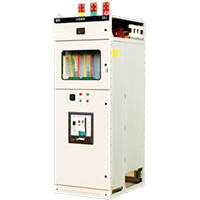
Dingsheng supplies electrical equipment for project applications, including its MNS low-voltage switchgear assembly. For a project-specific proposal, the equipment should be discussed against the buyer’s approved electrical basis rather than a preliminary one-line diagram that is still changing.
Who Owns the SLD Revision Before Supplier Engineering Starts?
The first control point is drawing authority. The supplier needs to know which SLD revision is approved for quotation or engineering, who can approve technical changes, and how later revisions will be issued. A file named “final SLD” is not enough if another consultant, utility, or site team can still change the source, feeder, or protection basis without formal revision control.
A useful engineering release package should identify the SLD drawing number and revision, issue date and project status, document owner and technical approver, related feeder/load schedule revision, open assumptions or unresolved interfaces, and the process for issuing changes after engineering starts.
Industry experience point: Many switchgear rework problems begin because the supplier and buyer are both working from valid drawings—but not the same revision.
| Data-Freeze Item | Buyer-Controlled Source | Why Engineering Depends on It | Revision Risk |
| Approved SLD | Project electrical design package | Defines sources, buses, ties, feeders and topology | Late topology changes can affect the entire lineup. |
| Load / feeder schedule | Electrical load list or feeder schedule | Supports feeder duties, spare ways and outgoing circuit scope | Drawing and load list can diverge if revised separately. |
| Fault-current basis | System study or approved project input | Required for equipment and protection review | An assumed value may become invalid when source data changes. |
| Cable schedule | Project cable design | Controls termination count, size, direction and space | Late cable changes can force enclosure or termination redesign. |
| Control / communication list | Project control philosophy or I/O schedule | Defines metering, remote signals and integration points | Missing points can create field modifications. |
What Incoming Source and Bus Data Must Be Frozen?
The SLD should show the incoming electrical sources and the intended operating relationship between them. For projects with transformers, utility incomers, generator sources, bus sections, or tie breakers, the supplier needs the topology and operating logic—not only the number of incomers.
The buyer should define system voltage and frequency, earthing arrangement, available source/transformer data, incomer quantity, bus sections, tie or bus-coupler arrangement, normal operating mode, and any project requirement that affects source transfer or interlocking.
If the source capacity or transformer arrangement remains provisional, the buyer should mark it as an open item rather than allow the supplier to assume a final value. This makes the engineering risk visible before drawings are released.
Industry experience point: A late change from one common bus to sectionalized buses can affect breaker functions, interlocks, control wiring, metering points, panel sequence, and testing scope.
How Should the Load Schedule Be Converted Into a Feeder Schedule?
The load list tells the project what must be supplied; the feeder schedule tells the switchgear supplier what circuits must exist. These documents should be aligned before engineering release.
For each outgoing feeder, the buyer should define the load or downstream equipment reference, operating duty, design current basis from the project, cable information, starting or control requirements where relevant, protection philosophy, metering requirement, remote status/control points, and whether the feeder is installed, future, spare, or reserved.
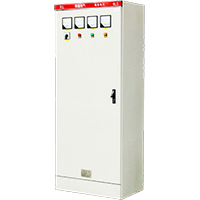
Dingsheng’s XL power distribution cabinet is another electrical product in the current catalog, but the project should not treat all distribution cabinets and MNS switchgear feeders as interchangeable. The required assembly, protection, control, and project interface must be confirmed from the actual application.
| Feeder Field | Buyer Input | Supplier Engineering Use |
| Feeder ID | Unique project reference | Maintains traceability between SLD, schedule, drawings and FAT records. |
| Load / downstream equipment | Motor, panel, charger, process load or other duty | Prevents a generic feeder description from replacing the project requirement. |
| Design current basis | Approved project calculation or schedule value | Supports component and conductor review. |
| Protection philosophy | Required functions and coordination basis | Defines what must be engineered rather than assumed as a default. |
| Cable information | Size, quantity, cores, termination and entry direction | Controls termination space and physical interface. |
| Spare / future status | Installed spare, space only, or future circuit requirement | Prevents commercial ambiguity in unused ways. |
Why Must Available Fault Current Be Confirmed Before Breaker Selection?
The available fault-current basis is a project input that should not be invented by the equipment supplier. If the short-circuit study is not complete, the buyer should state the current approved value or status and identify who owns the final study.
Protection coordination also needs a defined responsibility boundary. The project engineer may own the coordination study and settings philosophy, while the switchgear supplier provides equipment data, device capabilities, and proposed settings for review. The exact split depends on the contract, but it should be written before engineering begins.
Industry experience point: Treating breaker protection settings as a factory default can create a false sense of completion. Settings must follow the project’s approved protection and coordination basis.
What Metering, CT/PT, Control and Communication Points Must Be Defined?
Metering and control scope is often underdefined on preliminary SLDs. A breaker symbol may show that a feeder exists but not who needs energy data, status contacts, remote close/open commands, alarms, network communication, or CT/PT signals.
The buyer should identify which points are required for local indication, project metering where applicable, plant monitoring, PLC/DCS/BMS/EMS integration, remote operation, or event recording. The communication protocol, ownership boundary, and external-system interface should be stated as project requirements rather than assumed.
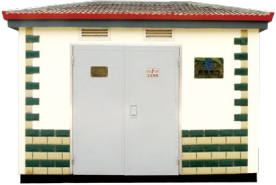
Where another assembly such as a prefabricated substation forms part of the project, the interface should be coordinated with the YBM high-voltage/low-voltage prefabricated substation or other upstream/downstream equipment actually selected for the project.
How Do Cable Entry and Site Conditions Change the Physical Switchgear Layout?
Cable entry is a physical design input, not a detail to decide after the lineup is finished. Bottom entry, top entry, cable trench arrangement, number and size of cables, bending space, gland or termination method, rear/front access, maintenance clearance, and site installation route can affect the cabinet layout.
Site conditions also need to be controlled. The buyer should provide indoor/outdoor installation status, ambient and environmental conditions required by the project, enclosure requirement, room access, elevation where relevant, installation space, foundation/plinth information, and any project-specific environmental requirement.
Industry experience point: A cable-entry change can be more disruptive than a small electrical rating change because it can alter termination space, compartment arrangement, panel depth, bus routing, and installation sequence.
Scenario: A Two-Incomer Industrial Project Changes After Layout Approval
Representative scenario — not a claimed Dingsheng customer case.
Business Background: An overseas industrial project requests an LV switchgear lineup with two incomers, a bus coupler, process feeders, motor feeders, metering and future spare ways.
Problem: The supplier begins layout engineering from the issued SLD. Two weeks later, the consultant increases the available fault-current basis, revises several feeder loads, and changes a group of large cables from bottom entry to top entry.
Cause: The project issued an SLD for engineering before the fault-current basis, cable schedule, and feeder list were frozen. Each document was revised separately.
Solution: The buyer establishes one engineering-release package containing the approved SLD, feeder schedule, fault-current input, cable schedule, control/communication list and revision matrix. Future changes are issued through one controlled deviation process before supplier drawings are revised.
Buyer Decision Value: The project can distinguish legitimate engineering changes from supplier rework and can compare schedule or cost impact against a known approved baseline.
What Should the Engineering Release Package Contain?
| Document / Input | Owner Before Release | Acceptance Check |
| SLD | Buyer / consultant / approved design authority | Revision, topology, sources, buses and feeder references are consistent. |
| Feeder schedule | Project electrical team | Every SLD feeder has a matching schedule entry and status. |
| Fault-current / protection basis | Project study owner | Current approved data and responsibility for final coordination are clear. |
| Metering and communication schedule | Project controls/electrical team | Local and remote points, ownership and protocol requirements are identified. |
| Cable schedule | Project cable design | Size, quantity, entry and termination assumptions are frozen for layout. |
| Site-condition sheet | Buyer / EPC | Environment, enclosure, installation access and physical constraints are stated. |
| Deviation / assumption register | Buyer and supplier jointly | Unresolved items are visible instead of hidden inside the quotation. |
What Should Buyers Include in the LV Switchgear RFQ?
Send the approved SLD revision, system voltage/frequency/earthing, source and transformer data, available fault-current basis, incomer/bus/tie arrangement, load and feeder schedule, protection philosophy, metering/CT/PT/communication requirements, cable size/quantity/entry, enclosure and site conditions, applicable project standard, required drawings/tests, destination, quantity, and project schedule.
Ask the supplier to return an assumptions and deviations list. The quotation should make clear which inputs are frozen, which remain provisional, and which design decisions will be completed during supplier engineering.
Frequently Asked Questions
Is a single-line diagram enough to engineer low voltage switchgear?
No. The SLD is the core topology document, but the supplier also needs feeder/load data, fault-current and protection inputs, cable information, metering/control requirements, site conditions, applicable project standards, and revision control.
Who should provide the available fault current?
The project should provide the approved fault-current basis or identify the party responsible for the short-circuit study. The switchgear supplier should not invent a final project value.
Should breaker protection settings be finalized by the switchgear factory?
That depends on the contract and project responsibility matrix. The coordination study, settings philosophy, supplier device data, proposed settings, review and final approval responsibilities should be defined before engineering.
Why must the feeder schedule match the SLD?
Because the SLD shows circuit topology while the feeder schedule carries detailed circuit requirements. If the two documents differ, the supplier may engineer the wrong feeder duty, cable interface, spare status, or control scope.
When should cable entry direction be frozen?
Before physical layout engineering is released. Top/bottom entry, cable count and size, termination method and access requirements can materially affect panel arrangement and installation space.
Can future spare feeders be left undefined?
The project should at least define whether it requires an installed spare feeder, prepared space, future compartment, or reserved allowance. Otherwise suppliers may quote different physical and commercial scopes.
What should buyers send Dingsheng for an MNS switchgear review?
Send the approved SLD, feeder schedule, source and fault-current data, protection philosophy, metering/control requirements, cable information, site conditions, required standards/tests, destination and quantity.
Request an LV Switchgear Engineering Input Review
Before releasing an MNS switchgear package for engineering, send Dingsheng the controlled SLD, load/feeder schedule, fault-current basis, protection philosophy, metering and communication points, cable schedule, entry direction, site conditions, applicable project requirements and revision register through the Contact Us page. Dingsheng can review the available project inputs, identify missing engineering interfaces and prepare a configuration-specific proposal without treating unresolved project values as confirmed design data.