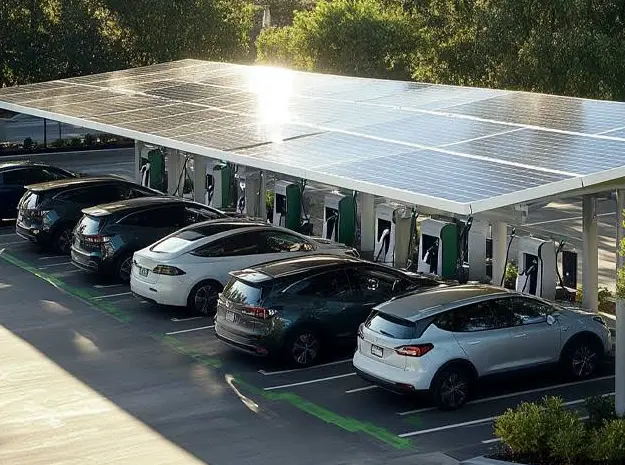
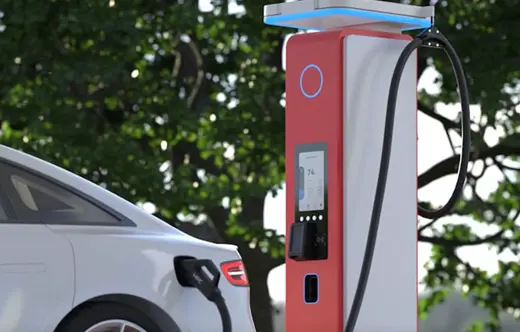
An 8 port fast charging station should be selected from the project conditions first, not from port count alone. Buyers need to define the vehicle mix, charging rhythm, expected simultaneous charging, site distribution capacity, cable routing, installation space, maintenance access and future expansion plan before comparing cabinet configurations. For a multi-port project, the 360KW / 480KW group charging rectifier cabinet can be evaluated as a centralized power-conversion option, but the correct configuration still depends on how the charging site will actually operate and what information is included in the RFQ.
Why 8-Port Fast Charging Station Selection Depends on Project Conditions
The phrase “8 port” gives a useful starting point, but it does not define a complete charging project. Eight charging outputs may serve different vehicle types, parking layouts and charging schedules. A depot that charges vehicles in planned shifts has a different load profile from a public station where arrival times are uncertain. A site used mainly for passenger cars may not require the same cable reach, parking clearance or charging-session management as a site prepared for vans, buses or operating fleets.
That is why the first decision is project fit. Port quantity, cabinet capacity and site power must be considered together. If the buyer only asks for an 8-port product, the supplier may not know whether all ports need to operate at the same time, whether power sharing is acceptable, whether cable length changes the layout, or whether upstream distribution capacity is already available. A fast quotation may therefore describe a cabinet model without proving that the project load, cabinet output and site conditions have been aligned.
A more reliable procurement path starts with the charging site. The buyer defines the project application, vehicle demand and power condition; the supplier then reviews whether a group charging rectifier cabinet, charging terminals and site distribution arrangement can be configured for that application. Buyers comparing related products can first review the charging station equipment category to understand the available product family before narrowing the inquiry to a specific cabinet.
Which Vehicle and Charging Scenarios Should Buyers Define First?
Vehicle information changes the charging requirement more than a simple port count does. A commercial EV charging project should state the type of vehicles served, the expected dwell time, daily charging cycles, parking pattern and charging urgency. These inputs help define whether the project mainly needs many available connectors, higher power per charging session, or a controlled balance between both. Without this context, “8 port fast charging station” can mean different technical and commercial scopes to different suppliers.
Operating rhythm is equally important. A fleet site may charge vehicles overnight, between shifts or during scheduled dispatch windows. A commercial public site may face demand peaks at uncertain times. A logistics or service-vehicle site may require predictable turnaround for a limited number of vehicles. These scenarios affect how many ports may be active at once and how power should be distributed. The procurement risk is not only insufficient power; it is a mismatch between the selected charging architecture and the business pattern that the station is expected to support.
The RFQ should therefore describe the representative charging scenario rather than only listing “8 ports.” Useful inputs include vehicle category, approximate battery-capacity range if known, preferred charging time, peak charging period, whether vehicles queue or park long-term, and whether charging priority must be managed. The supplier response should state any assumptions used for cabinet sizing and port configuration. When assumptions are visible, the buyer can compare proposals on the same operating basis.
How Charging Power and Port Quantity Affect Cabinet Configuration
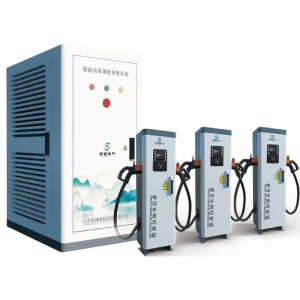
Charging power and port quantity interact with each other. More ports do not automatically mean that every vehicle receives the same charging power at all times. In multi-port fast charging projects, cabinet capacity, output allocation, charging-terminal configuration and charging-session management influence how the system behaves when several vehicles are connected. The buyer should confirm whether the project expects full simultaneous operation, controlled sharing, staged charging or reserved capacity for later expansion.
The target product for this article, the 360KW / 480KW Group Charging Rectifier Cabinet, gives the buyer a specific product page for evaluation. The model name indicates cabinet capacity options, but the project still needs a configuration review. A buyer should not assume that a cabinet name alone defines the number of charging guns, cable arrangement, terminal distribution, site protection design or operating logic. These items should be confirmed through project drawings, supplier technical review and quotation notes.
| Charging Demand | Cabinet / Port Configuration Consideration | Buyer Verification Point |
| Many vehicles connected but not all charging at peak power | Power allocation and charging-session management become important | Confirm expected simultaneous charging and acceptable power sharing |
| Short turnaround for commercial vehicles | Higher available power per active session may be required | Provide vehicle dwell time and charging-time target for supplier review |
| Fleet charging in planned windows | Charging sequence and operational scheduling may reduce peak demand | State shift schedule, parking duration and charging priority rules |
| Future expansion expected | Cabinet capacity, distribution room space and cable routing should allow review | Define whether expansion is a requirement or only a possible future option |
The table does not replace engineering review. It shows why the same eight-port target may lead to different equipment discussions. A project that values shorter charging windows may need a different configuration emphasis from a project that values connector availability. The buyer’s decision changes when the operating pattern changes, so the RFQ should make that pattern explicit before price or supplier comparison begins.
What Site Power and Distribution Conditions Must Be Checked?
A fast charging station is also a distribution project. Before selecting a group charging rectifier cabinet, the buyer should check whether the site has suitable upstream power capacity, transformer arrangement, low-voltage distribution space, feeder route, cable trench or bridge route, grounding arrangement, metering requirements and protection coordination expectations. If the available site power cannot support the intended charging load, the cabinet selection may become a distribution upgrade discussion rather than a simple product purchase.
Power availability should be expressed as evidence, not just a statement. A site single-line diagram, transformer information, distribution-room layout, feeder capacity, planned cable distance and utility or owner requirements can help the supplier understand the real boundary. If the buyer cannot provide all documents at the first inquiry stage, the RFQ should at least state what is known and what still needs confirmation. This prevents an initial quotation from appearing more complete than the site information allows.
Site routing also affects the decision. Long cable runs, limited cabinet space, difficult trench routing or separated parking zones can change the relationship between the rectifier cabinet, charging terminals and vehicle bays. A layout that works on a product brochure may require different cable management or access planning at the project site. The supplier should be asked to identify which assumptions are included in the offer and which installation conditions must be reviewed by the project electrical designer or EPC team.
Which Installation and Maintenance Factors Affect Long-Term Operation?
Installation space influences both first installation and future maintenance. Buyers should confirm cabinet position, surrounding clearance, ventilation condition, cable entry direction, drainage or outdoor exposure if applicable, access path for maintenance, and whether operating staff need routine access to certain compartments or terminals. These are not decorative details. If access is too narrow, future inspection or replacement work may require unnecessary downtime or site rework.
Maintenance planning should be discussed before the station layout is frozen. A multi-port fast charging project may require clear identification of cabinet locations, charging terminal positions, cable paths and service zones. If all equipment is placed only to maximize parking space, the project may later discover that maintenance access, safety isolation or cable replacement is difficult. The buyer should request layout confirmation at a stage when adjustments are still possible.
Environmental and operating conditions also need to be defined. Outdoor installation, high dust exposure, heavy rain, high temperature, restricted ventilation, traffic impact or site security concerns can all affect enclosure, placement and maintenance strategy. The article does not assume that one cabinet configuration solves every condition. Instead, each condition should be stated in the project specification so the supplier can confirm whether the proposed charging cabinet arrangement fits the application boundary.
Project Condition Checklist for Supplier Review
| Project Condition | Required Buyer Input | Why It Matters |
| Vehicle application | Vehicle type, operating schedule and expected charging window | Defines whether the project needs higher power per session, more connector availability, or controlled sharing |
| Simultaneous charging | Number of vehicles expected to charge at the same time | Connects port count with cabinet capacity and power-allocation assumptions |
| Site power condition | Transformer, distribution cabinet, feeder capacity and available supply information | Shows whether cabinet selection can proceed or whether upstream power review is required |
| Site layout | Parking arrangement, cabinet position, cable route and terminal location | Affects cable length, access, trench routing and future service work |
| Installation environment | Indoor or outdoor location, ventilation, exposure and surrounding access | Changes enclosure, placement and maintenance-confirmation requirements |
| Documentation scope | Drawings, layout review, quotation assumptions and deviation list | Makes supplier proposals comparable and reduces later approval disputes |
A strong RFQ uses this information to turn a broad equipment request into a project-specific review. The supplier’s proposal should not only name a cabinet; it should explain the assumed charging scenario, cabinet capacity basis, port relationship, site power boundary, included scope and items requiring further confirmation. That is what makes two proposals comparable.
Common Configuration Mistakes in Multi-Port Fast Charging Projects
One common mistake is treating port count as the main design criterion. Eight physical outputs do not automatically prove that the project’s charging demand is satisfied. The relevant question is how many vehicles need energy at the same time, how much power each session should receive, and whether power sharing or scheduled charging is acceptable. If this is not defined, the buyer may approve a station layout that looks correct but cannot support the expected operating rhythm.
A second mistake is separating charger procurement from site distribution review. A high-power charging cabinet depends on upstream supply, cable capacity, protection arrangement and installation space. When these conditions are reviewed too late, the buyer may need to revise the cabinet position, cable route, distribution room arrangement or project budget after supplier selection. Early power and layout review reduces this rework risk.
A third mistake is asking for price before defining the quotation scope. One supplier may include cabinet-related assumptions, another may include terminal configuration notes, while a third may quote only a product reference. The buyer cannot judge value from price alone unless technical scope, documentation, installation boundary and deviation handling are aligned first.
What RFQ Information Should Buyers Send to the Supplier?
A practical RFQ for an 8-port fast charging station should include both technical and commercial inputs. The buyer should provide the project location condition, vehicle type, expected charging schedule, number of charging bays, target simultaneous charging, available power information, proposed cabinet and terminal layout, cable route, indoor or outdoor installation condition, quantity, packaging or shipment expectation, and required documents for review.
The supplier response should be asked to define the offered cabinet option, port configuration assumptions, included components, site information still required, documentation scope, and any deviation from the buyer’s request. If the inquiry is based on the 360KW / 480KW Group Charging Rectifier Cabinet, the quotation should still state how that product page relates to the buyer’s actual charging demand and site conditions.
After the project team has prepared the charging scenario, site power information and layout notes, it can submit 8-port fast charging station project inputs for RFQ review. A clear inquiry helps the supplier review the cabinet configuration on the same basis the buyer will later use for technical approval, supplier comparison and project procurement.
Final Buyer Checklist Before Ordering an 8-Port Fast Charging Station
- Define the charging use case: state vehicle type, operating schedule, charging window and expected utilization pattern.
- Confirm simultaneous demand: identify how many ports are expected to operate together and whether power sharing is acceptable.
- Review cabinet capacity with site power: compare the intended charging load with transformer, feeder and distribution conditions.
- Freeze the layout assumptions: confirm cabinet position, charging terminal locations, cable routing and maintenance access.
- Clarify installation environment: describe indoor or outdoor conditions, ventilation, exposure and service clearance.
- Request supplier assumptions: require the quotation to show configuration basis, included scope, missing information and deviations.
- Compare quotations after scope alignment: review price only after technical scope, documentation and installation boundaries are comparable.
The right decision is not simply whether an 8-port station is available. The stronger decision is whether the selected fast charging station architecture fits the project load, vehicle behavior, cabinet capacity, distribution condition and service plan. When those inputs are clear, the RFQ becomes easier to review and the supplier response becomes easier to compare.